
Formed by glacier, cold as snow
-k-

Formed by glacier, cold as snow
-k-
This year the bushes in the backyard are heavy with red currant clusters. They are ready to harvest. I will snip the fruit clusters into a colander, then give it a moment for the spiders to withdraw. The simmered fruit, strained of stems and seeds, cooks into a tart rich red syrup.
-k-

Every fairy child may keep
Two strong ponies and ten sheep;
All have houses, each his own,
Built of brick or granite stone;
They live on cherries, they run wild —
I’d love to be a Fairy’s child.
Robert Graves
— “I’d Love To Be A Fairy’s Child”
On a Monday morning, not long after rush hour, August 21st, there will be a total eclipse of the sun. The eclipse shadow will traverse the United States, making landfall in Oregon and exiting in South Carolina. [See NASA detailed eclipse maps]. At 10:18 AM landfall from the Pacific Ocean is near Lincoln City, over Salem, the state capital, onto Madras and John Day in Central Oregon, through Ontario on the border with Idaho.
Eclipses typically occur twice each year, a lunar eclipse paired with a solar one, within two weeks of each other. The lunar eclipse of the full moon, paired with the eclipse of the 21st, occurs on August 7th. A solar eclipse occurs when the new moon crosses between the sun and the earth, casting the moon shadow down to earth and revealing the solar corona.
The Oregon Department of Transportation expects up to a million visitors for the eclipse event—adding one-quarter to the existing population of the entire state. And it will be an event. Camping sites and lodging in the eclipse path have been snapped up by solar tourists. Locals already are advised to prepare for crowded roads and traffic jams once the celestial show is complete, and to plan ahead for gasoline, groceries and gawkers. Crafters are working overtime cranking out commemorative tchotchkes for eclipse visitors to clip on keychains or open beer bottles. It seems the shadow fall will puncture the pre-eclipse carnival and, as the moon wanes across the sun’s face, the tourists will be back on the freeway.
This morning my neighbor came out in her nightdress to water the flowers in the brick planter in front of her steps. I try not to notice and sit very still. The sun is breaking over the hill and filtering through the birch leaves. I think I am a tabby cat, mottled and camouflaged, in the dappled light. I don’t have a nightdress to wear out into the morning.
It goes to the head, this golden haze of pollen and drifting cottonwood. It’s fairy dust. The trees and grass release their magic as the day grows, to be caught in the wind and blow south. Some afternoons, especially near the river, it seems as though it’s snowing. My eyes itch with it. People sneeze and scratch. They try antihistamines which only makes them thirsty and angry. It’s easier to try to think in the morning. Later in the afternoon, there’s a full lulling need to sleep, to drift into some new fairy tale, succumb to the spell cast by the gold dust.
Hypnotic
-k-
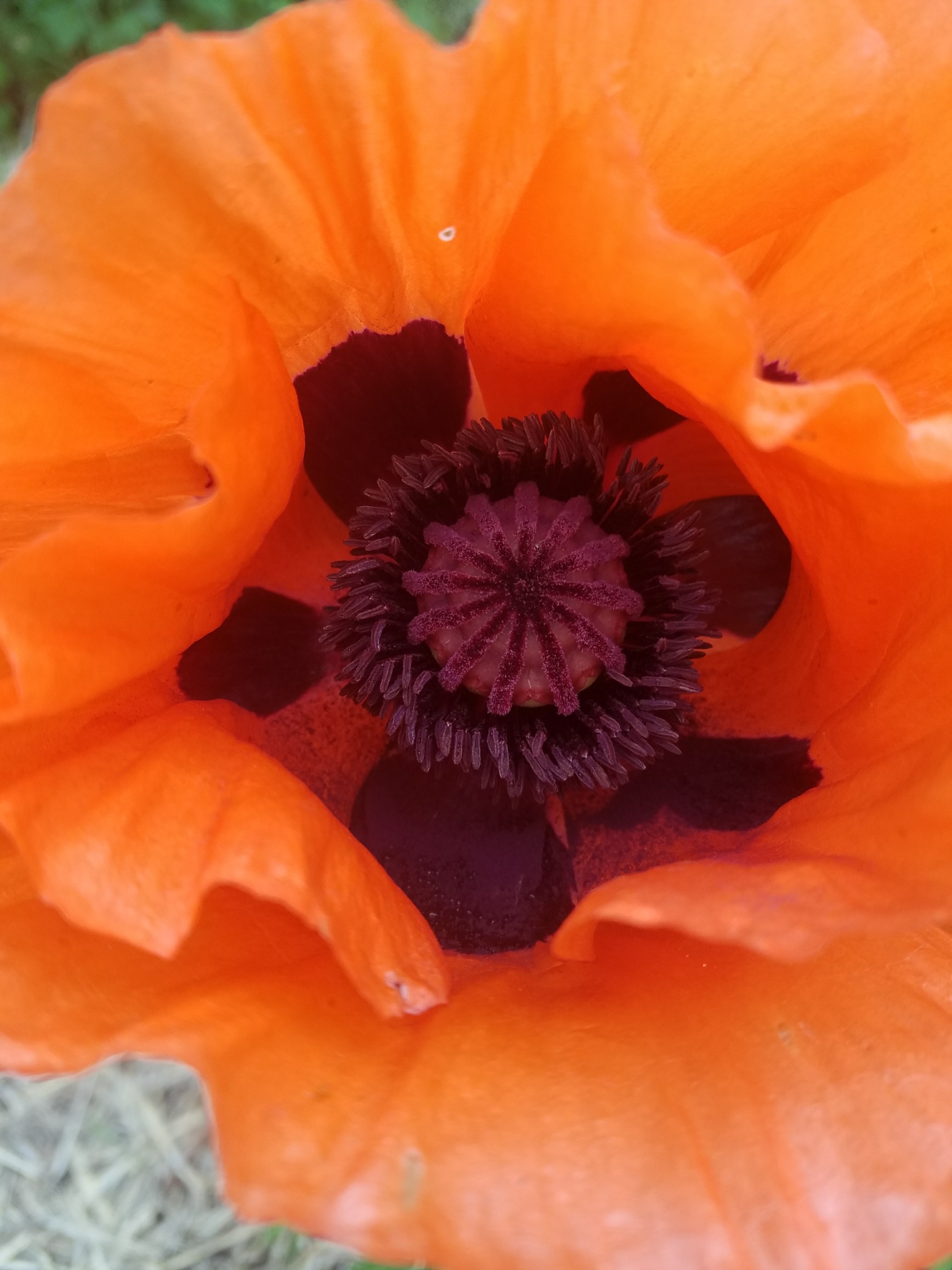
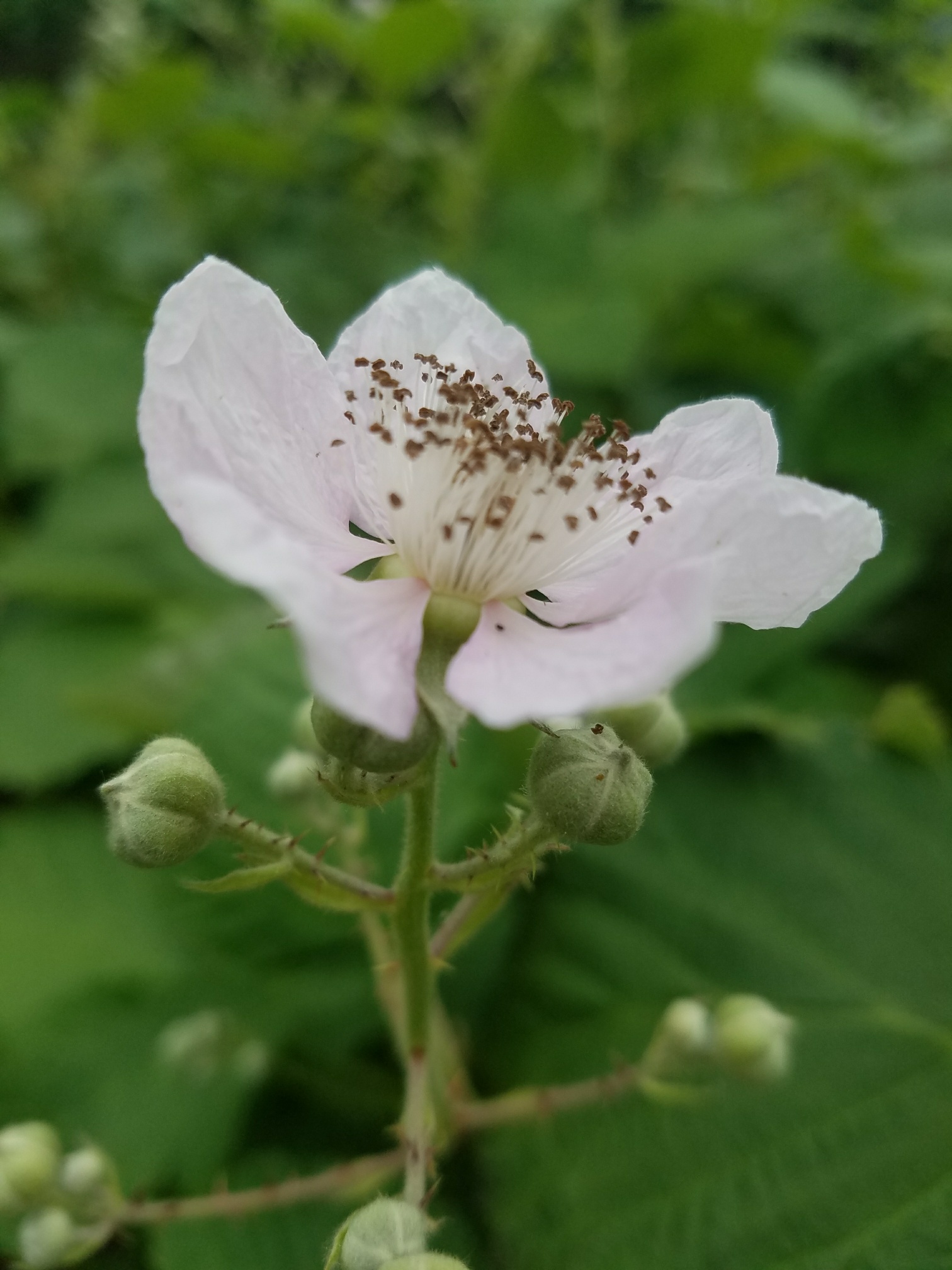
Delicate flowers and Dragon thorns.
-k-
Who will teach me to write? A reader wanted to know.
The page, the page, that eternal blackness, the blackness of eternity which you cover slowly, affirming time’s scrawl as a right and your daring as necessity; the page, which you cover woodenly, ruining it, but asserting your freedom and power to act, acknowledging that you ruin everything you touch but touching it nevertheless[…]: that page will teach you to write.
—–Annie Dillard, “The Writing Life”
The garments worn in flying dreams
were fashioned there—
overcoats that swooped like kites,
scarves streaming like vapor trails,
gowns ballooning into spinnakers.
–Stuart Dybeck, from “Windy City”
Dawn comes early and I can’t hide. Each May morning waking, dream-washed and clean, to a day of exuberant green dressed with dew. There is just one more moon between now and the solstice, a round high summer moon coming to mark our longest day in the northern latitudes. Then the days grow shorter again.
I have often thought the seasons were mismarked on the calendar. If, unmoored from the tyrannical grid of weeks and months, we found more names for the light of days and nights, would we not be less surprised and dismayed while the seasons passed?
My new seasons might commence on the cross-quarter days, those landmarks between solstices and equinox. There would be waxing and waning phases to portions of the year. This scheme might look something like this (in the northern hemisphere, of course):
February 1 First Spring
March 21 Full Spring
May 1 Summer
June 21 High Summer
August 1 First Fall
September 21 Full Fall
October 31 Winter
December 21 Low Winter
 Kim K. McCrea